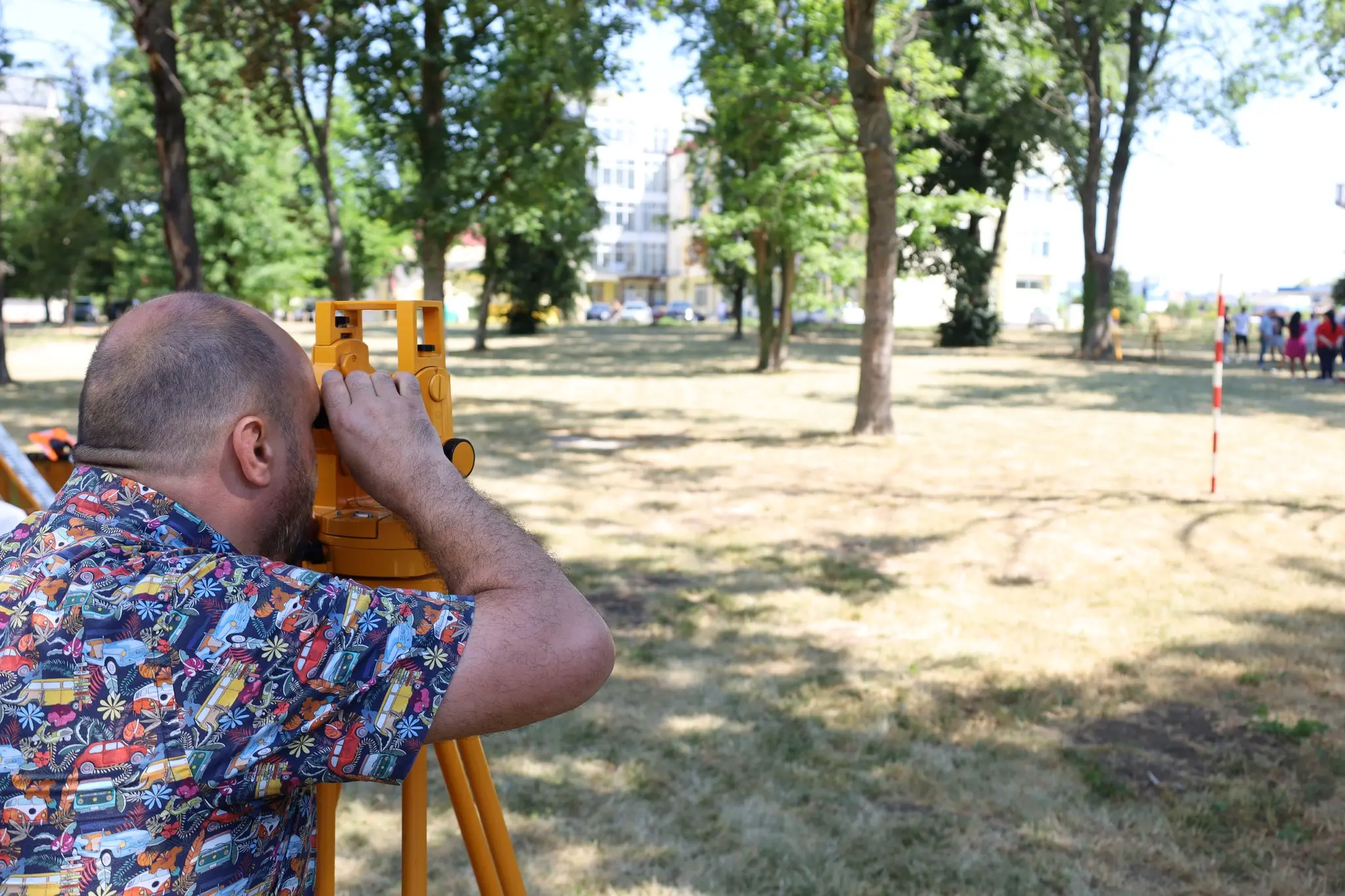
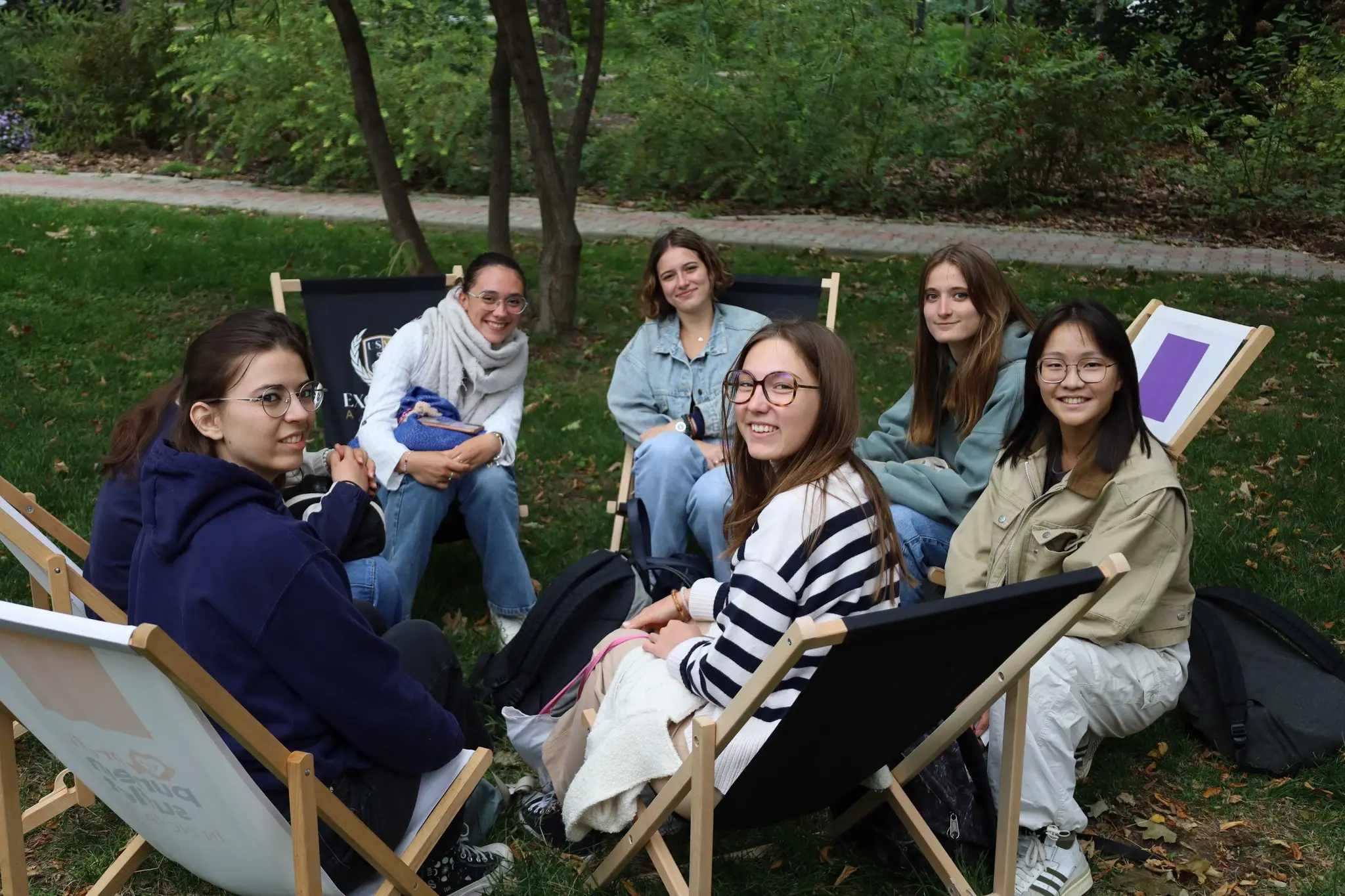
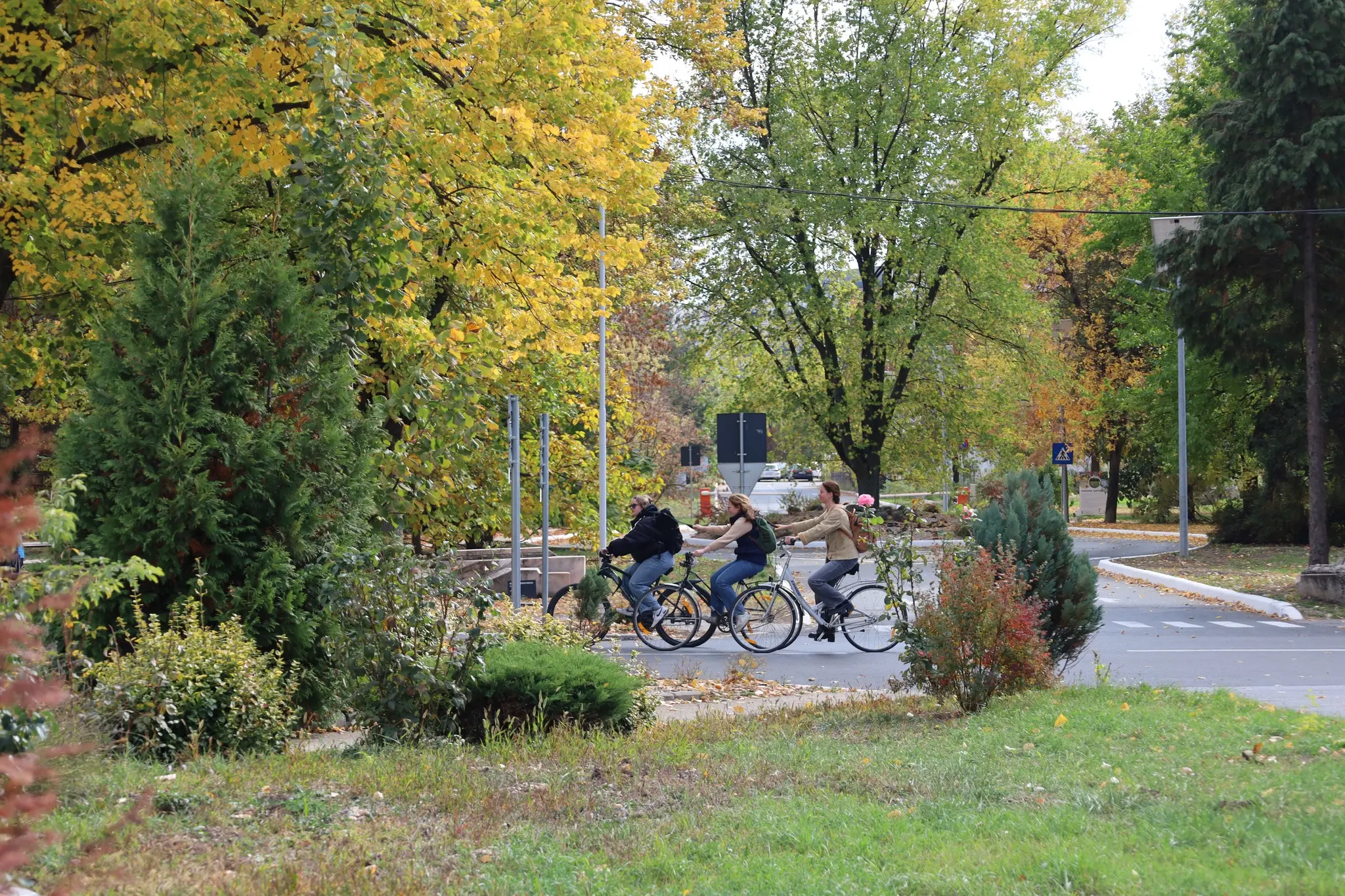
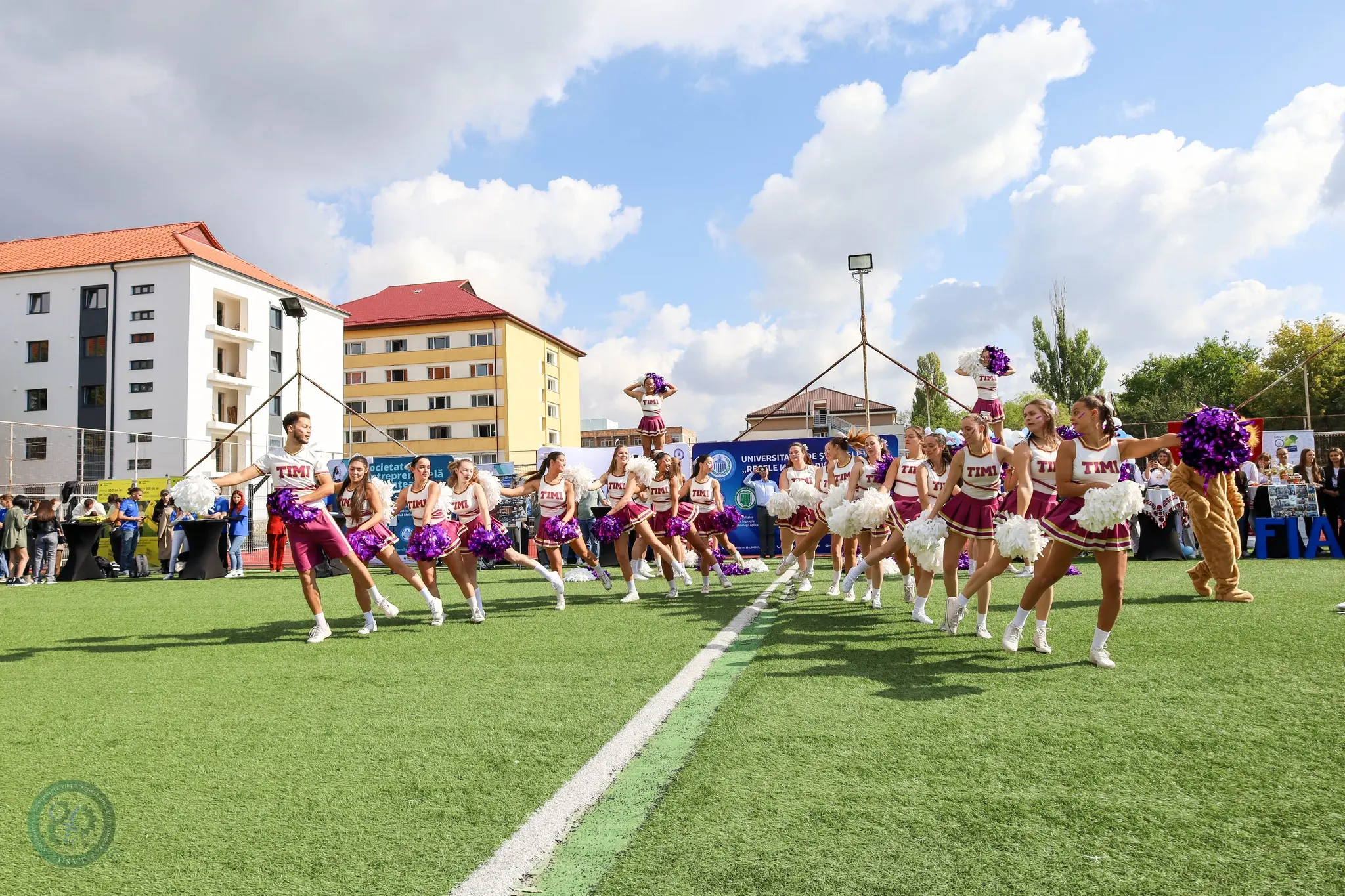
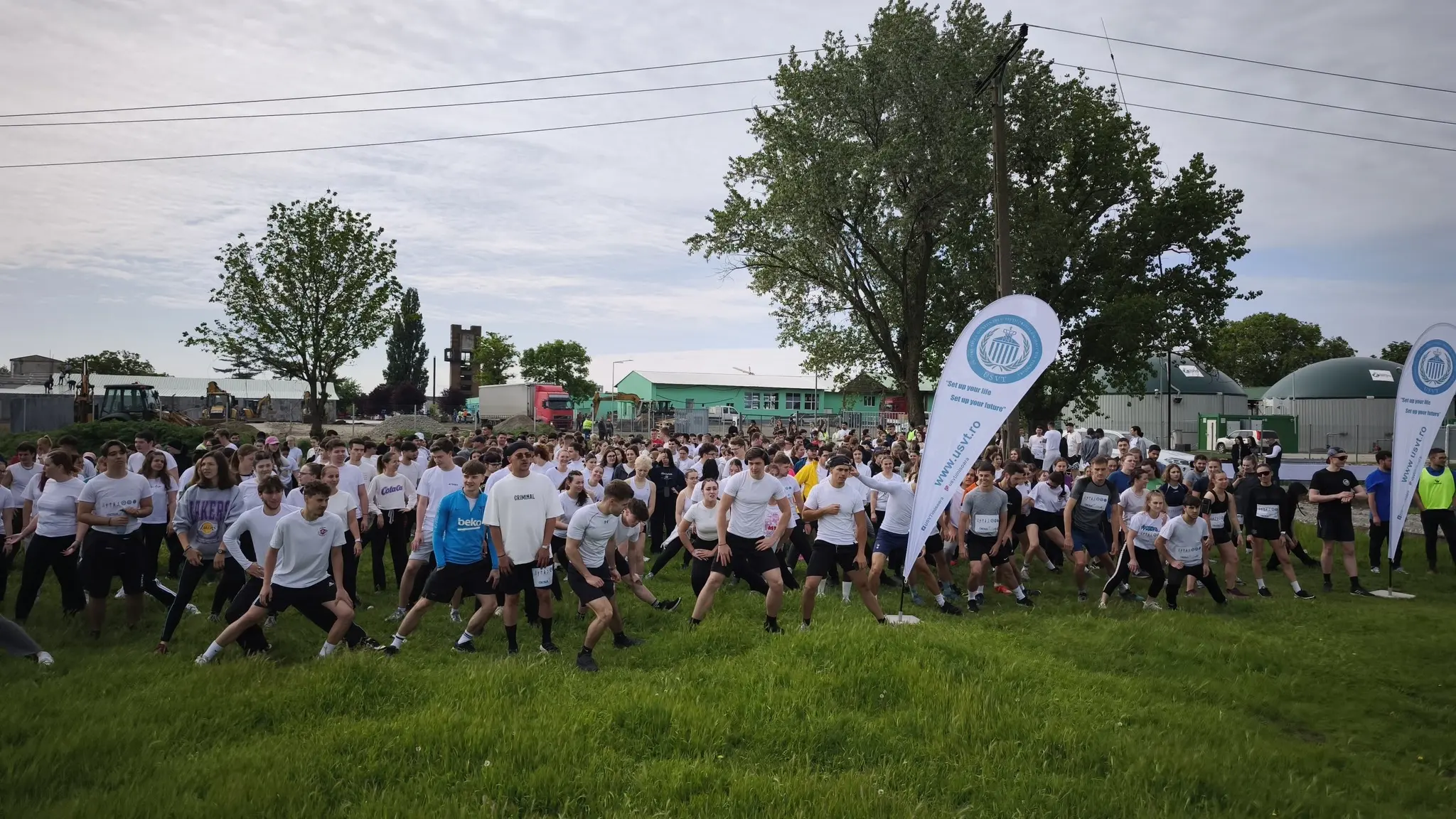
Sports facilities are free for all students, not reserved only for performance athletes. The open green space of the campus naturally encourages outdoor activity. Student sports clubs and university-organised tournaments create a community around physical activity that complements the academic environment.

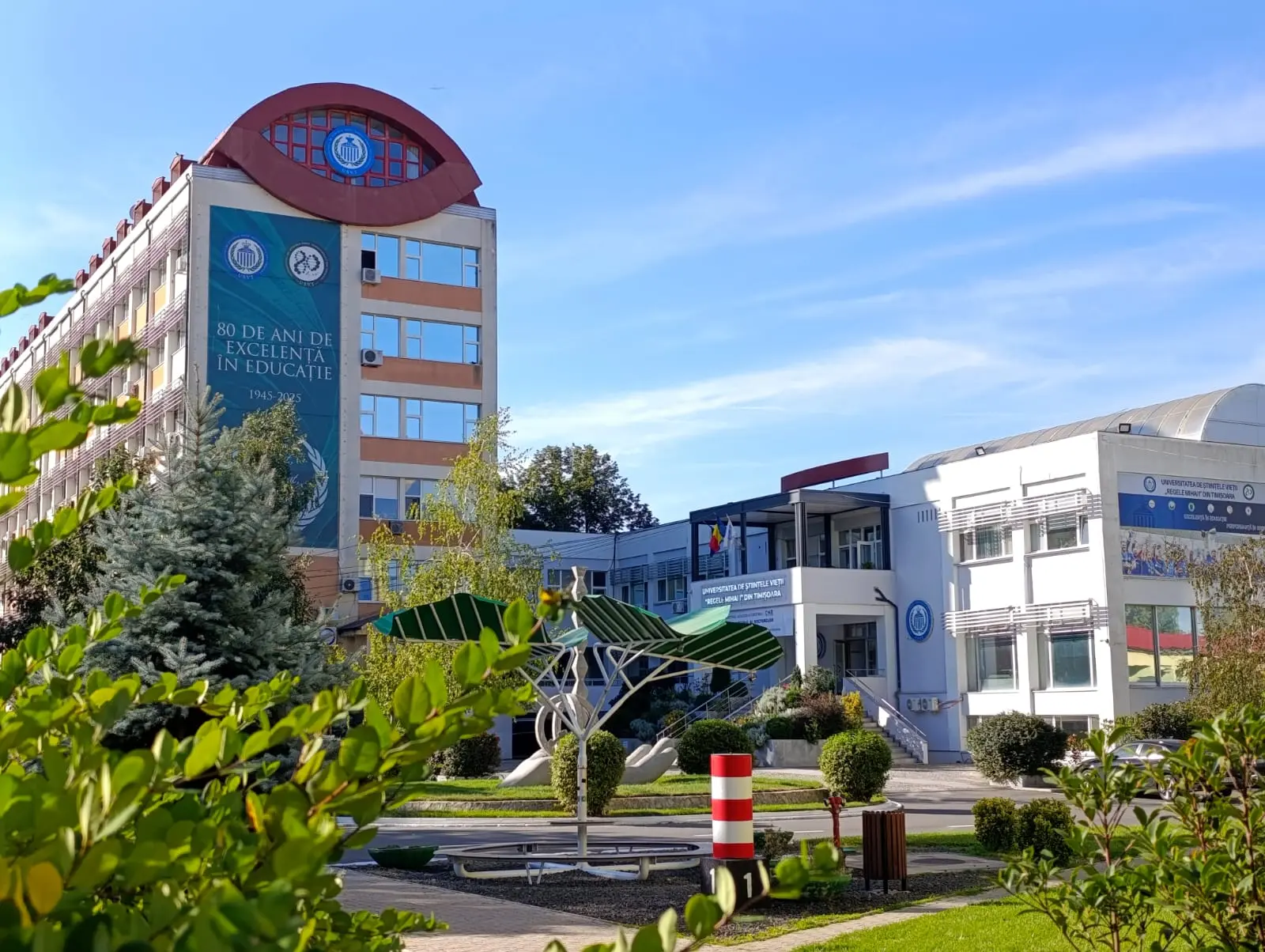
‘King Michael I’ University of Life Sciences in Timișoara (USVT)
Life sciences, experienced on a campus that breathes.
More than 80 years of tradition. Real teaching farms as classrooms. A green campus that practises what it teaches. USVT is the most comprehensive life sciences institution in western Romania, and one of the most remarkable, yet less known, in Europe.
80+
Years of tradition — founded in 1945
Top 3
National Metaranking, in its reference group
12
Research units
70+
Erasmus partner countries
More than 80 years of tradition. Real teaching farms as classrooms. A green campus that practises what it teaches. USVT is the most comprehensive life sciences institution in western Romania, and one of the most remarkable, yet less known, in Europe.
About USVT
The university that takes life sciences seriously
USVT was founded in 1945, one year after the end of the Second World War, in a region that has always understood that food, land and living systems are the foundation of everything else. Eight decades later, this seriousness of purpose is still the university’s defining feature.
Today, USVT is the most comprehensive life sciences institution in western Romania: six faculties covering agronomy, biotechnology, food engineering, veterinary medicine, horticulture, forestry, genetic engineering and environmental management. The curriculum is deliberately applied, with students working in real farms, real clinics and real food processing environments from the first years of study.
International recognition followed: USVT is recognised by Times Higher Education Impact Rankings for its contributions to the UN Sustainable Development Goals, especially Zero Hunger and Life on Land. The Ministry of Education’s national Metaranking consistently places USVT at the top of its reference group as an advanced education and research institution.
6
Faculties
13
Bachelor’s degree fields
33
Master’s programmes
7
Doctoral programmes
What makes USVT different?
USVT does not only teach life sciences, it teaches through them. Teaching farms, a fully operational clinical veterinary hospital, a field station for young naturalists and active food production facilities all serve as primary learning environments. Students are in real professional contexts long before graduates elsewhere have completed their first internship.
Sustainability and SDGs
Training specialists for
a world that truly needs them
USVT in Times Higher Education Impact Rankings — a presence among global universities that turn the UN’s 17 Sustainable Development Goals into everyday reality.
Contribution to Zero Hunger
USVT’s food engineering and agronomy departments produce cutting edge research for optimising agricultural production. The institution trains specialists capable of implementing resilient food systems that can ensure food supply for the global population through methods that do not degrade the environment.
100% focus on nutrition and sustainable agriculture
Ecosystem protection
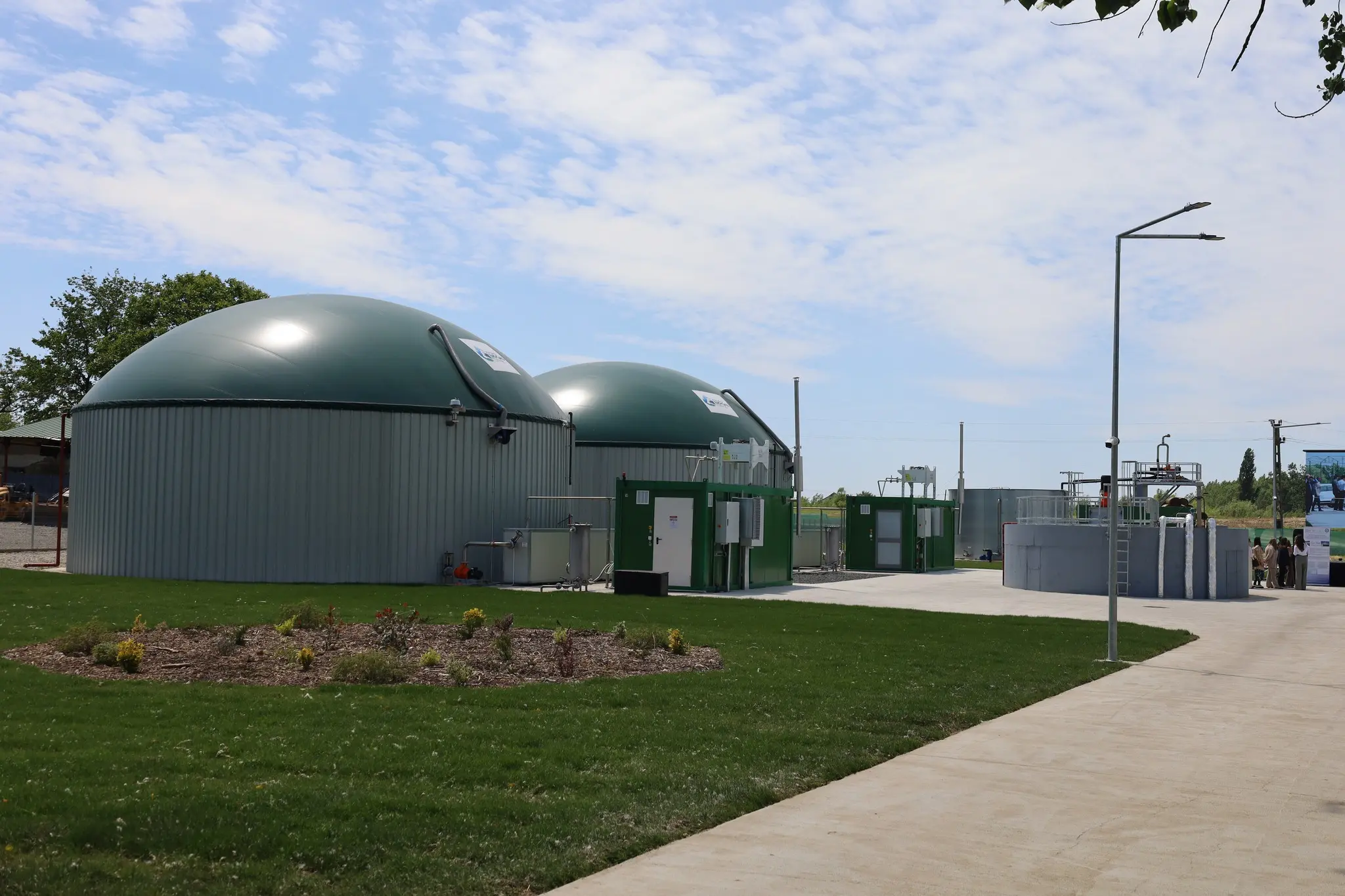
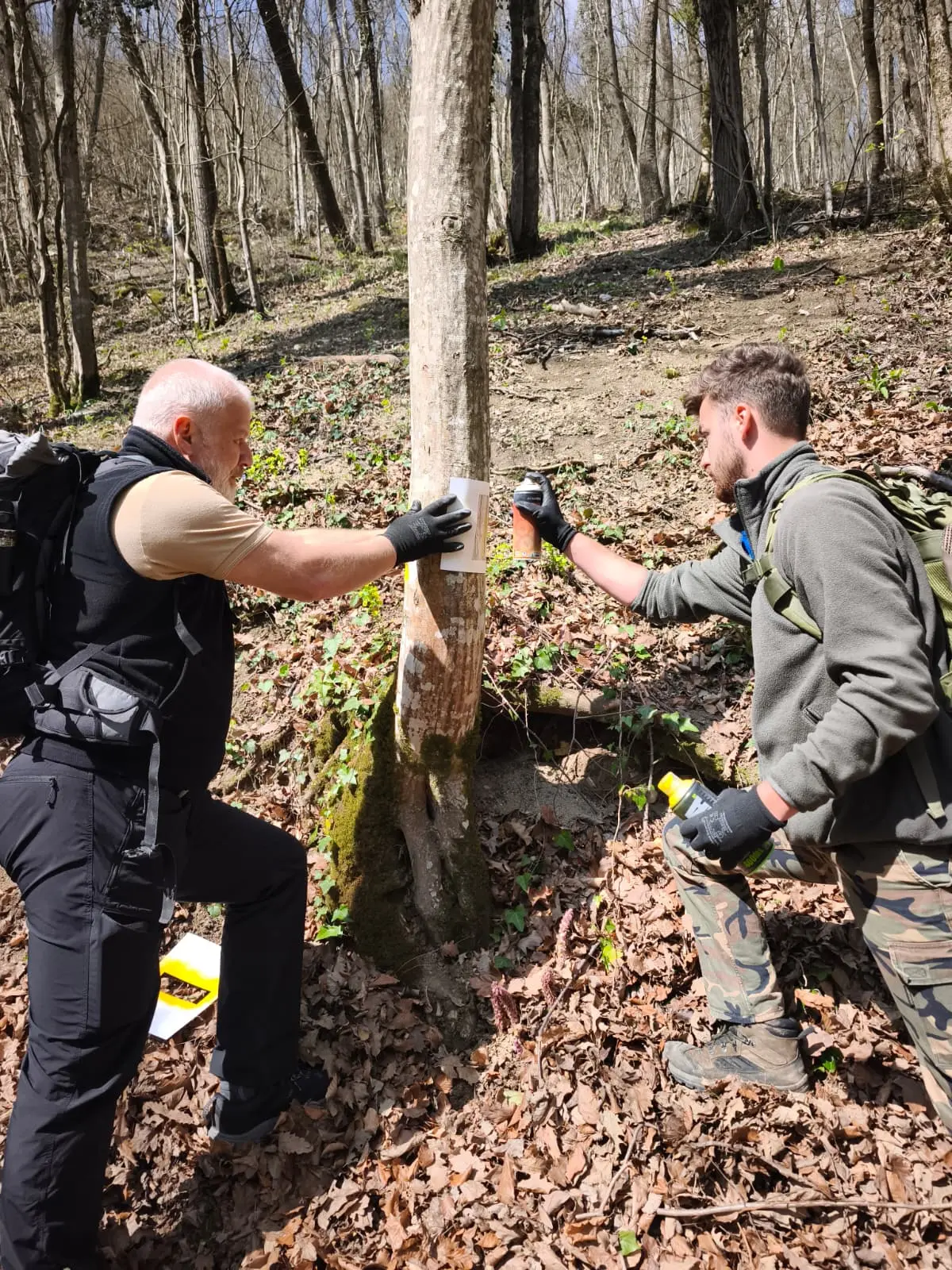
Through forestry and environmental management programmes, USVT acts as a guardian of natural resources. Academic activity focuses on species conservation, reforestation and sustainable land use, offering concrete solutions for combating climate change.
Active contribution to restoring local ecosystems
Health and wellbeing
The Faculty of Veterinary Medicine within USVT applies the global “One Health” concept. The university shows that public health depends directly on food safety and on controlling animal diseases, as a hub of excellence accredited at European level (EAEVE).
European standards in Veterinary Medicine (EAEVE)
Sustainable and connected campus
The USVT campus is managed as an open laboratory, a Living Lab, integrating circular economy principles into daily operations. The university maintains strategic partnerships with business and international institutions, facilitating the transition towards a green economy for its graduates.
International certification for social impact
ACADEMIC OFFER
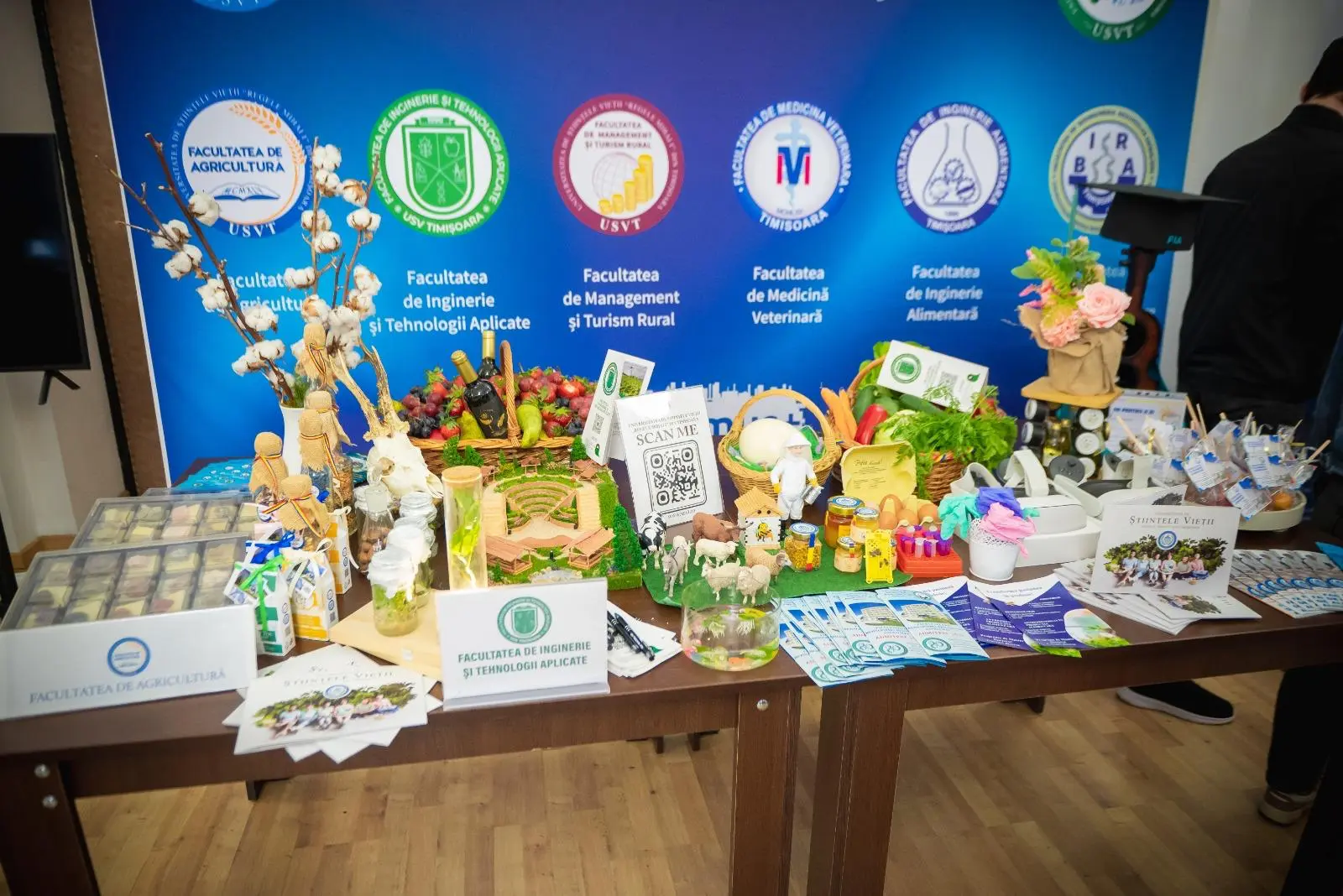
6 faculties. 30 specialisations. One mission.
Faculty of Veterinary Medicine
University of Life Sciences
Trains veterinarians and specialists in animal health.
Faculty of Management and Rural Tourism
University of Life Sciences
Develops skills in agricultural management, agritourism, and rural development.
Faculty of Food Engineering
University of Life Sciences
Prepares engineers in food processing and modern food technologies.
Faculty of Horticulture and Forestry
University of Life Sciences
Trains specialists in horticulture, landscaping, and forest management.
Faculty of Bioengineering of Animal Resources
University of Life Sciences
Focused on animal breeding, biotechnology, and sustainable animal production.
Faculty of Agriculture
University of Life Sciences
Prepares specialists in modern agriculture, plant protection, and environmental studies.
Learning by doing
The lab is a farm.
The classroom is a clinic.
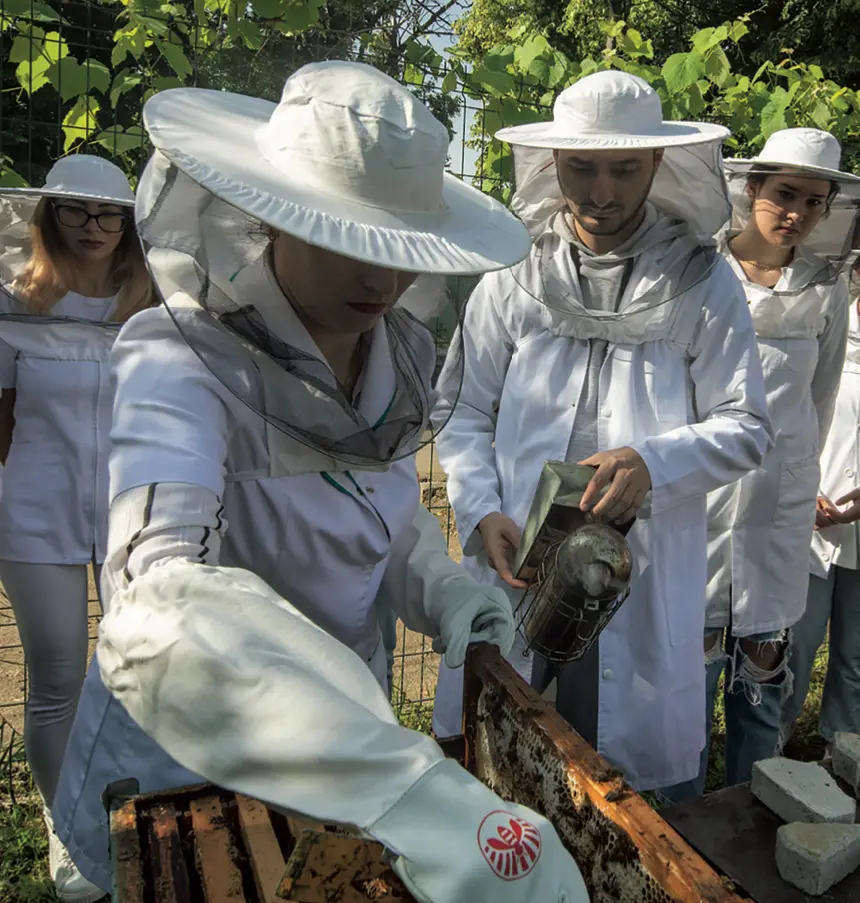
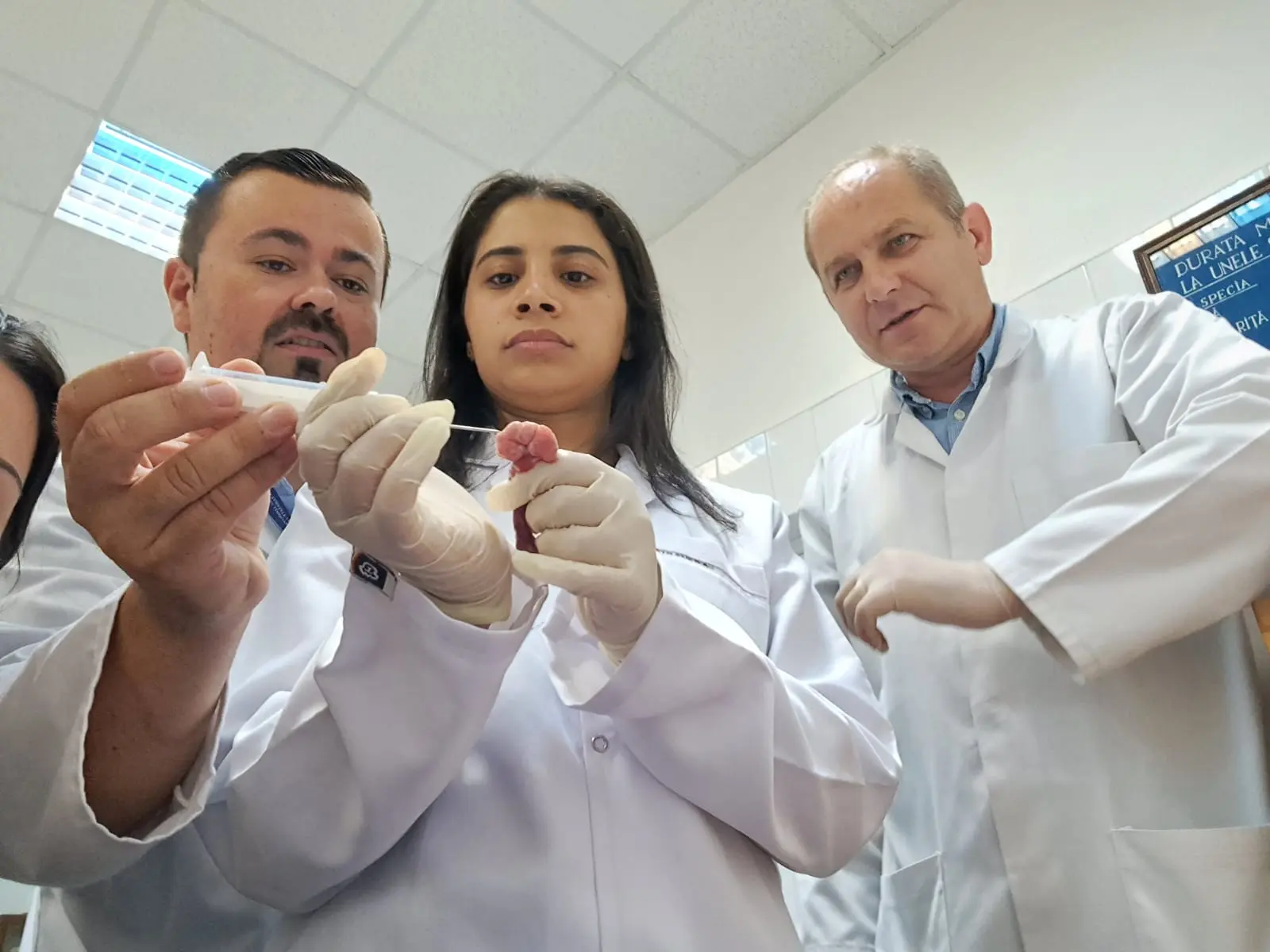
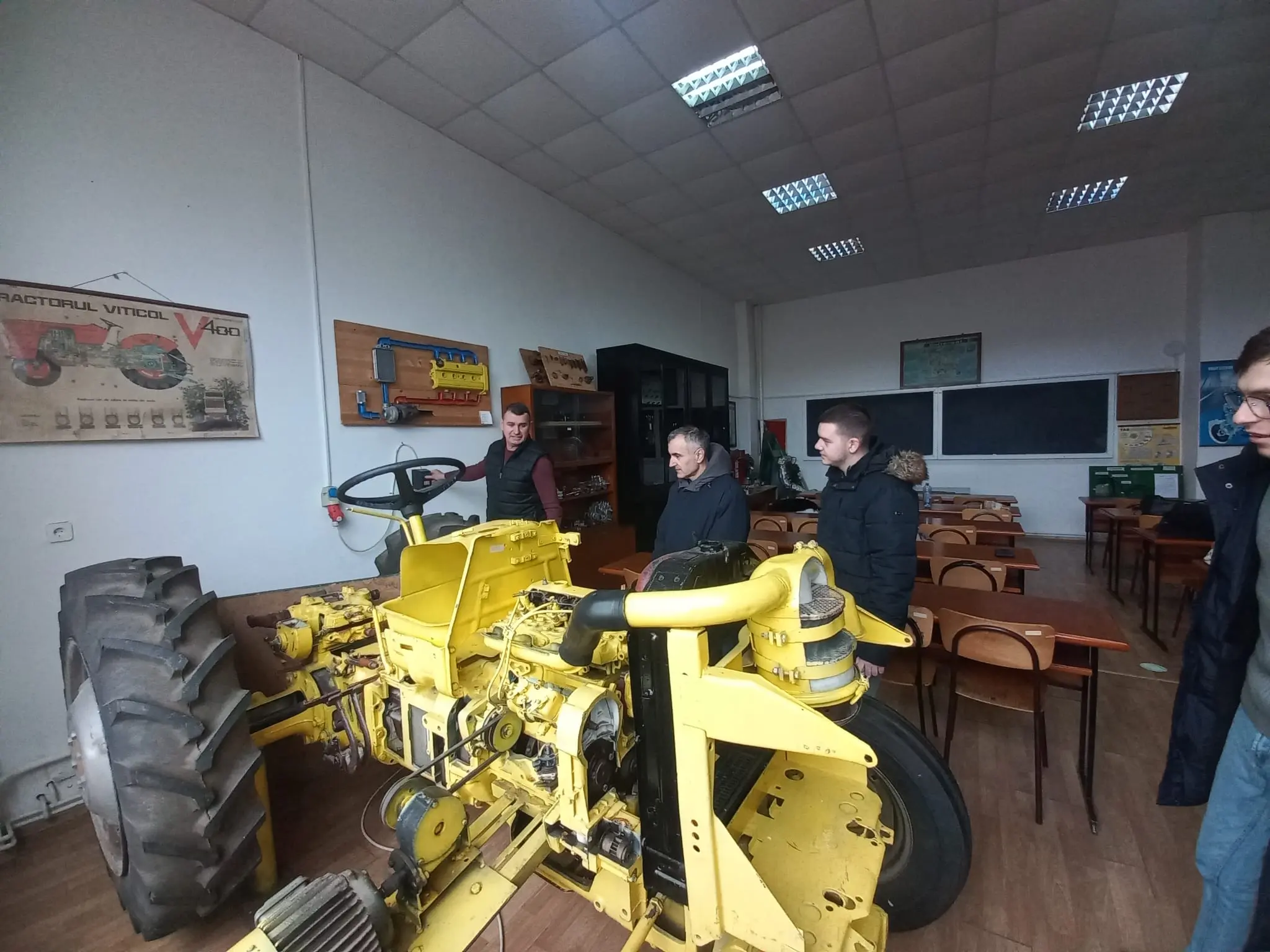
USVT’s defining educational philosophy is applied learning, and the infrastructure supports it. Students do not study food engineering in a classroom and hope to find an internship later; they work in real food production environments on campus. They do not only read about veterinary procedures; they practise them in the university clinical hospital, under expert supervision.
What this looks like in practice
Teaching farms — operational agricultural farms used as primary teaching environments for students in Agronomy, Animal Science and Food Technology
Veterinary Clinical Hospital — a fully operational veterinary clinic that treats real patients, served by faculty veterinarians and involving students at all levels of care
Young Naturalists’ Field Station — a field station for ecological and applied environmental research, used by students in Biology, Environmental Engineering and Ecology
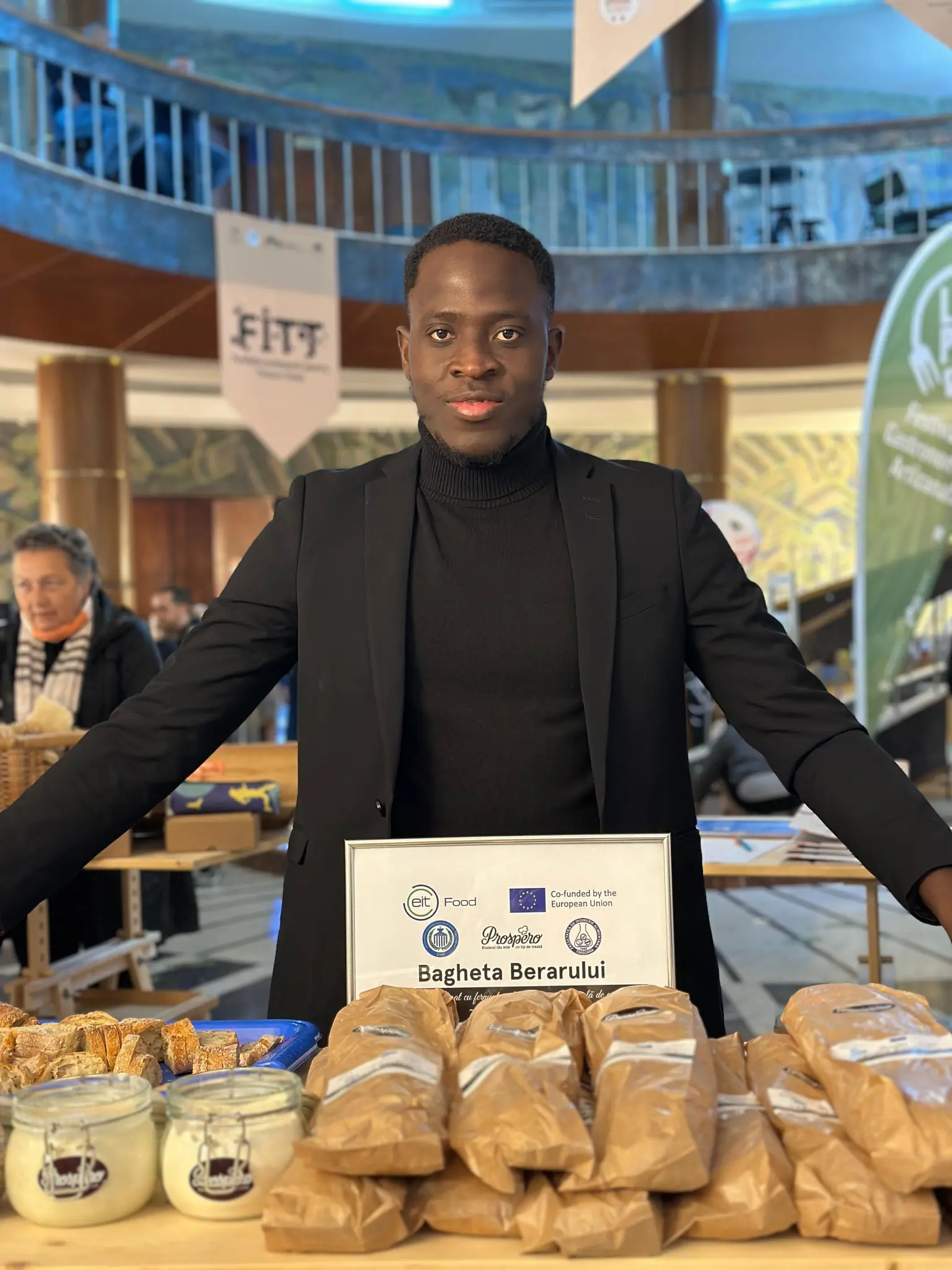
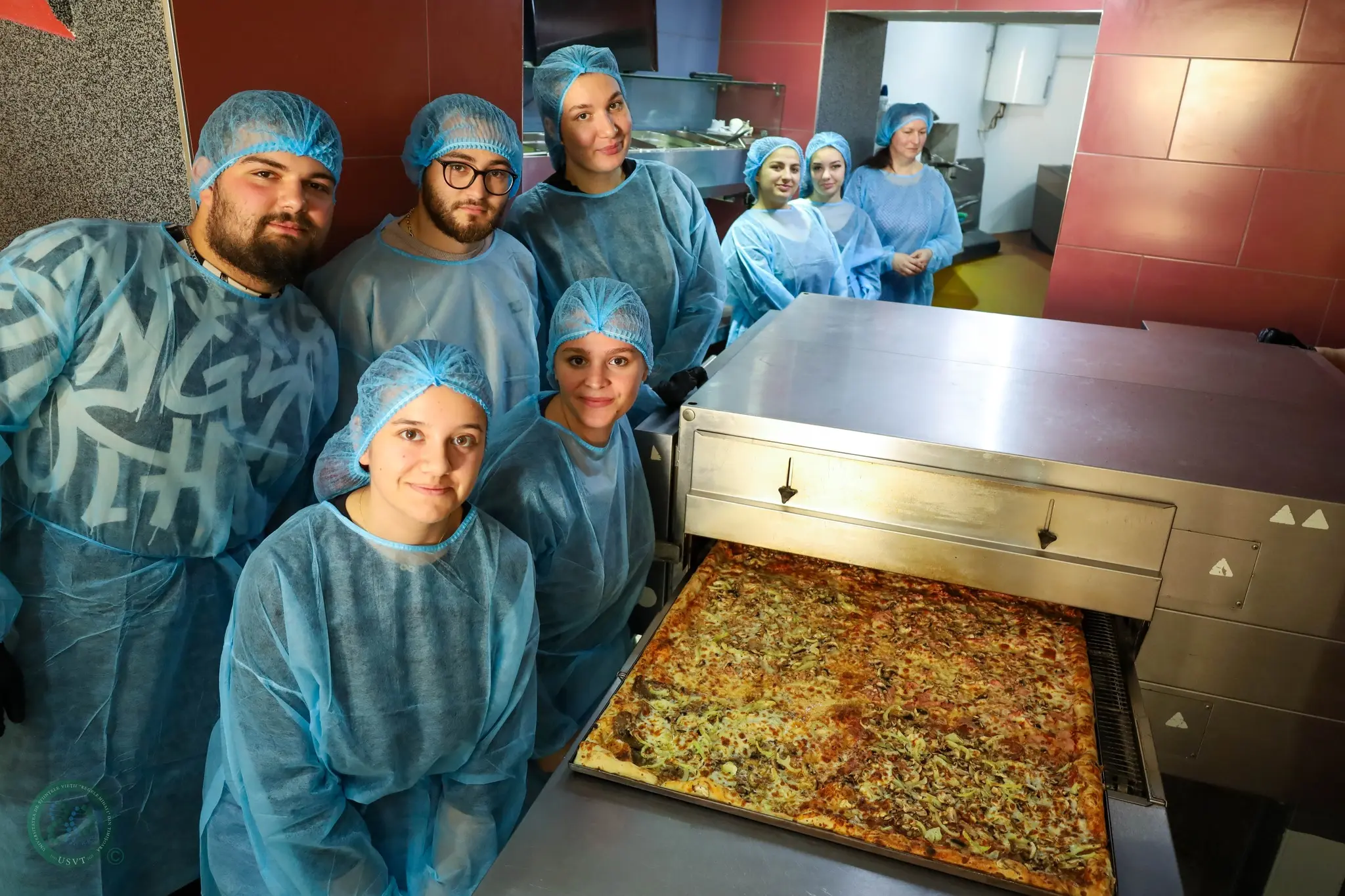
Modern food laboratories — facilities that meet industry standards for quality control, processing and food product development
Company internships — USVT has direct partnerships with companies in the agri-food sector, offering structured practical training programmes with real routes towards employment
Why this matters for employability
USVT graduates do not arrive at their first job without knowing how a real farm, clinic or food production unit works. They have worked in one. This difference, between theoretical knowledge and practical confidence, is what USVT’s industry partners notice and value. The university’s placement and employment rates in its core fields reflect this directly.
Research at USVT
The university maintains active research across all six faculties, with particular strengths in veterinary science, food safety, biotechnology and environmental engineering. International recognition through EduRank and Times Higher Education Impact reflects the quality and relevance of this research output. PhD and master’s students take part in externally funded research projects from the beginning of their programmes.
Campus and student life
More than a green campus: A real commitment to the future
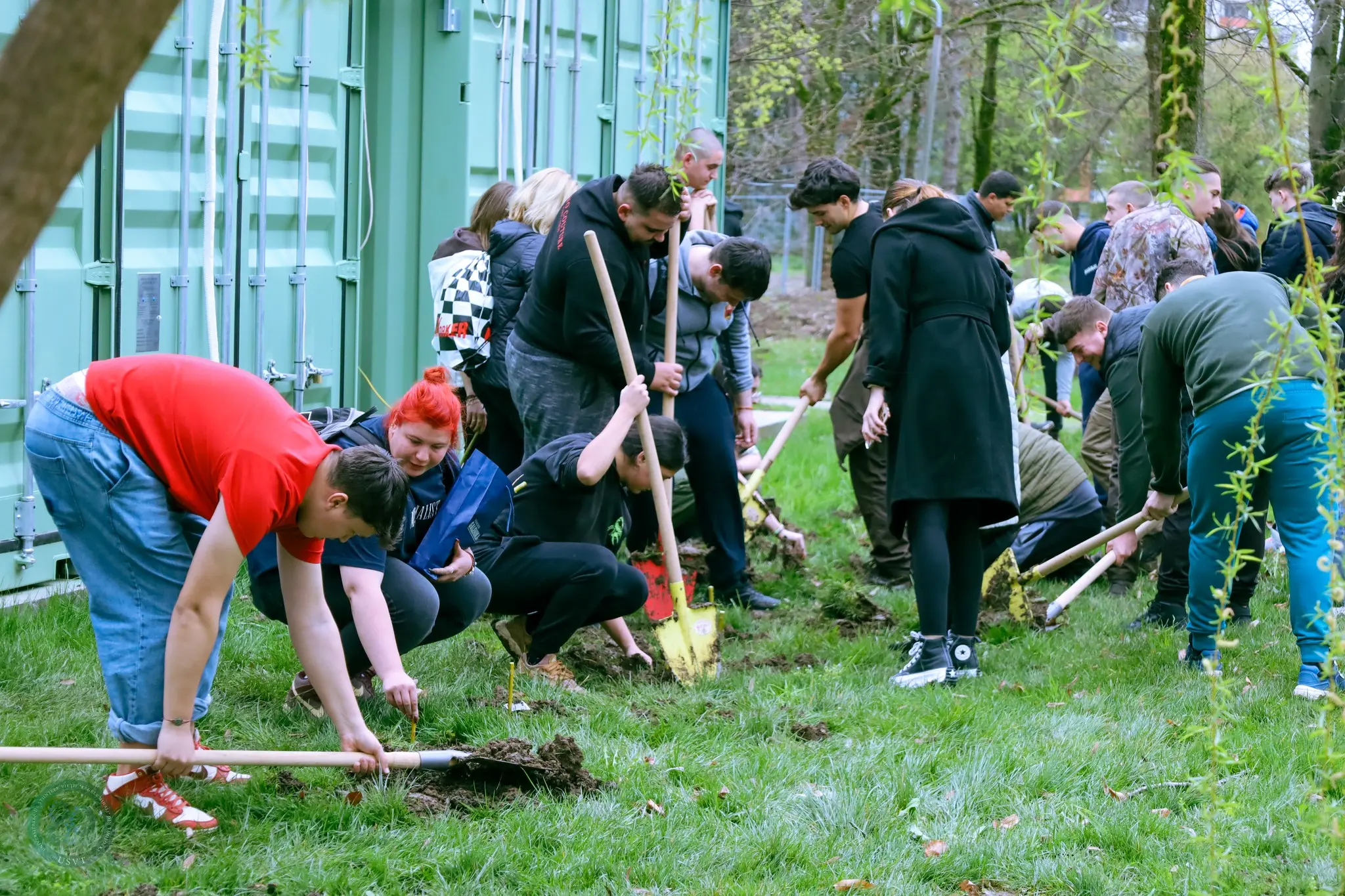
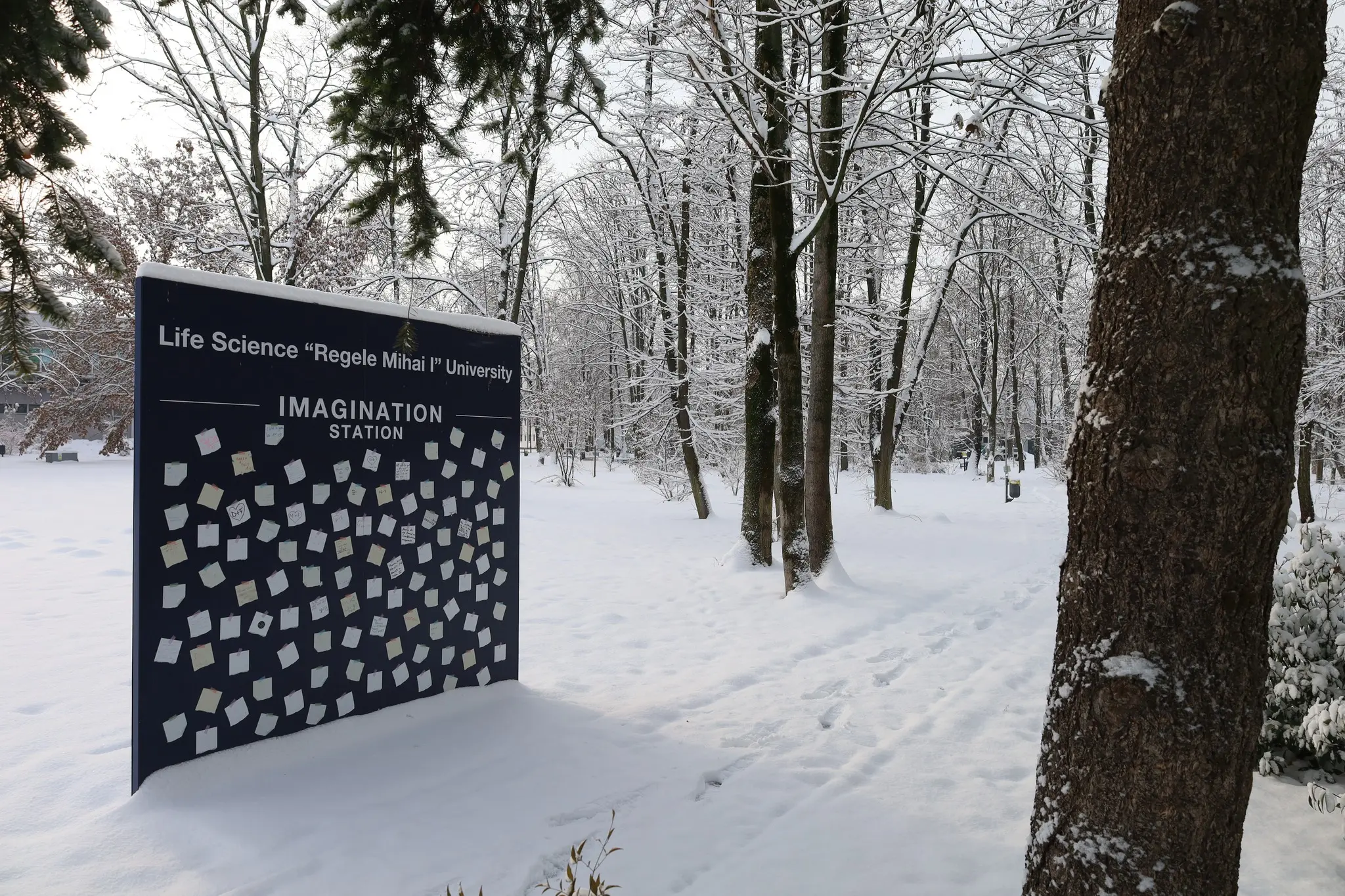
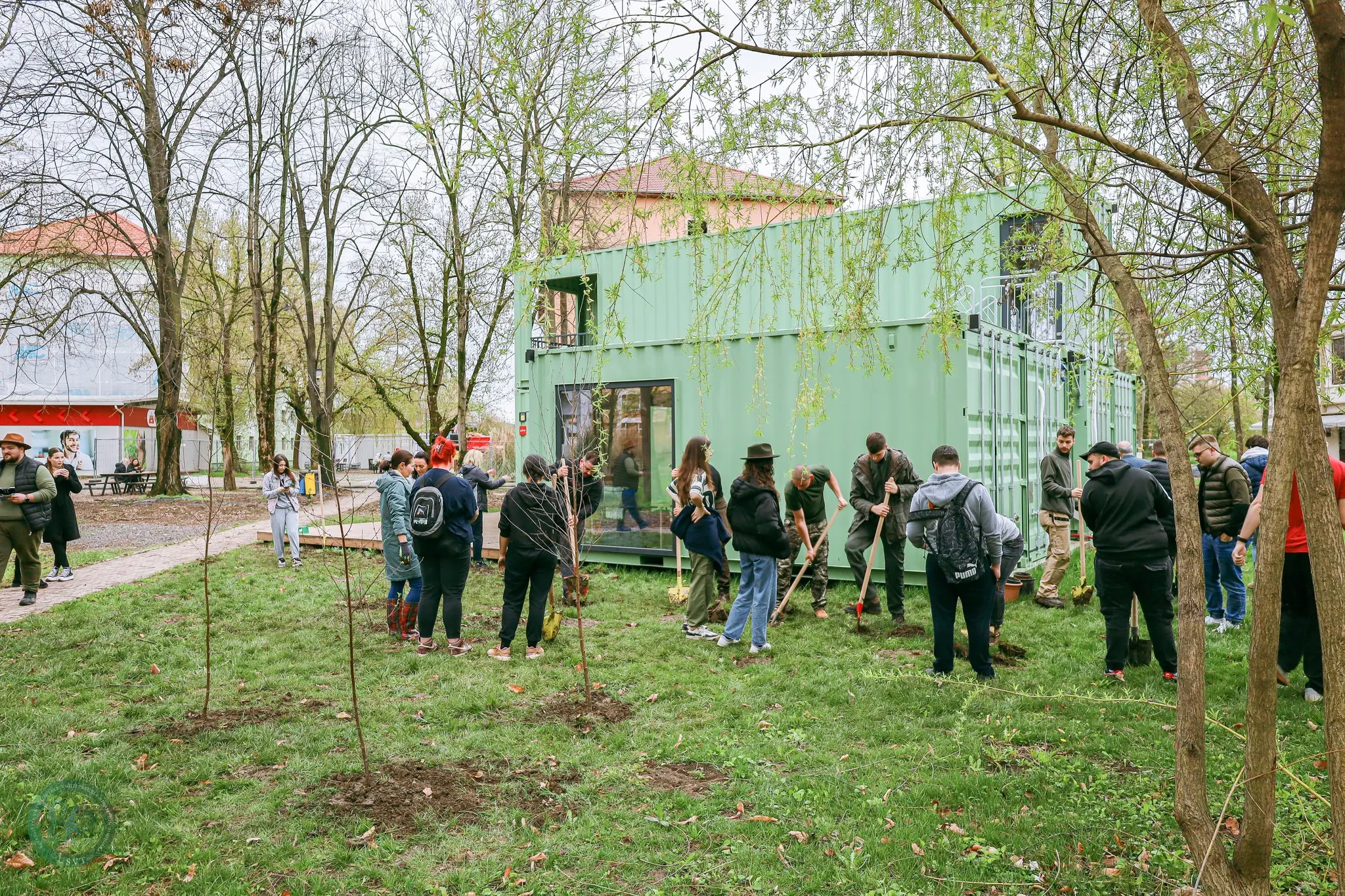
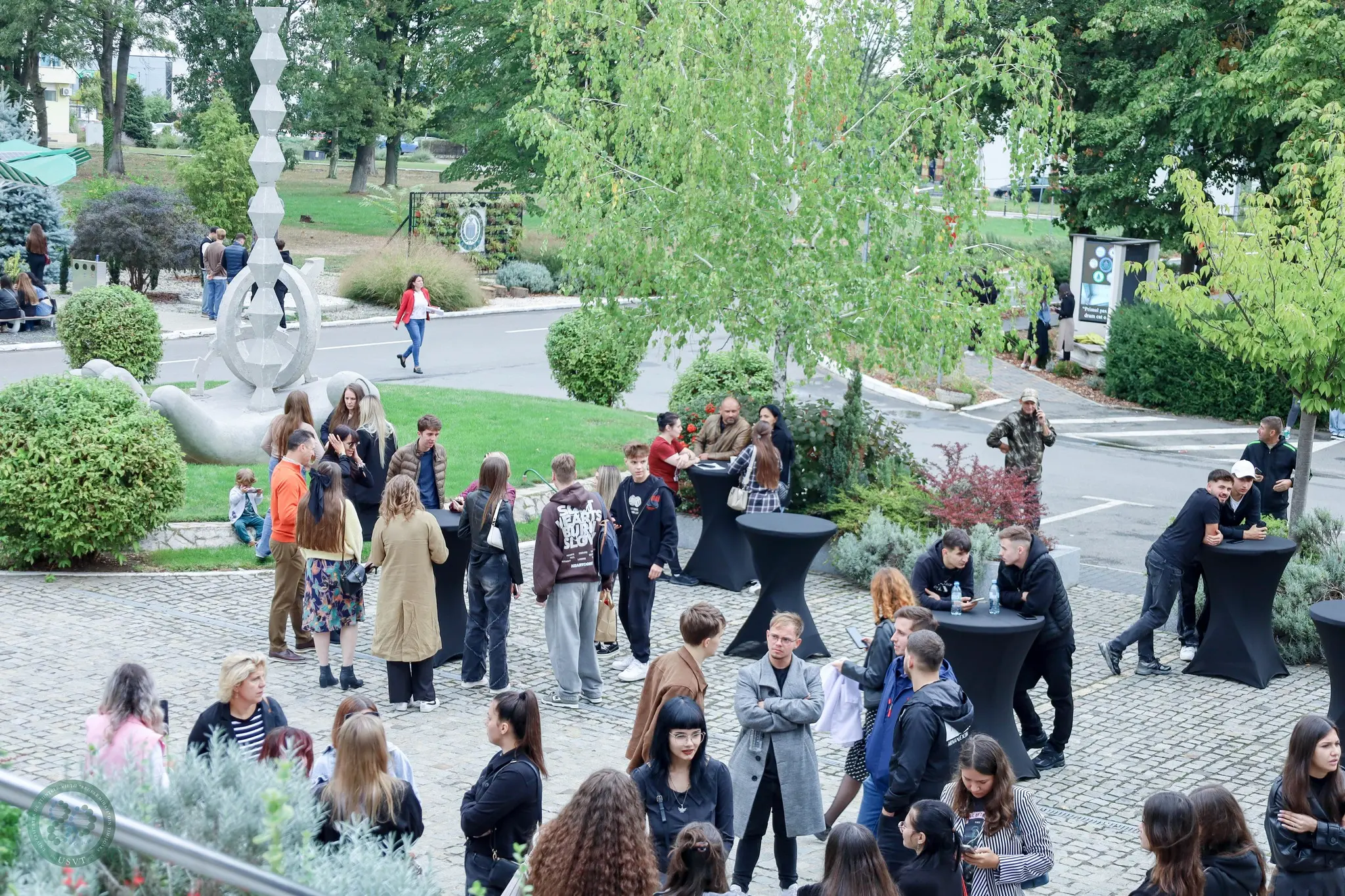
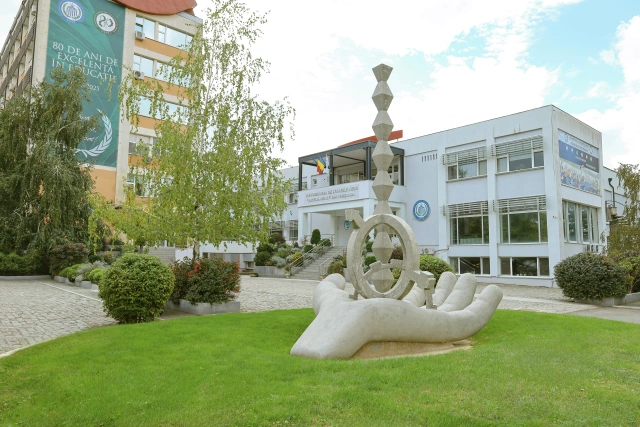
The USVT campus is a truly green environment, not green as a branding option, but green as a physical reality. The park-like setting of the main campus reflects the university’s subject matter: life sciences are taught in an environment that visibly supports life. It is spacious, easy to walk through, with open areas for study and outdoor recreation.
Student facilities
- Modern student dormitories with comfortable and well equipped rooms
- University student cafeteria on campus, with subsidised daily meals
- Library and study spaces with access to scientific databases and specialist journals
- Sports infrastructure with free access: multi-sport halls, outdoor courts and fitness facilities
- Extensive green spaces across the campus: parks, gardens and ecological areas used both for relaxation and for study
Student life
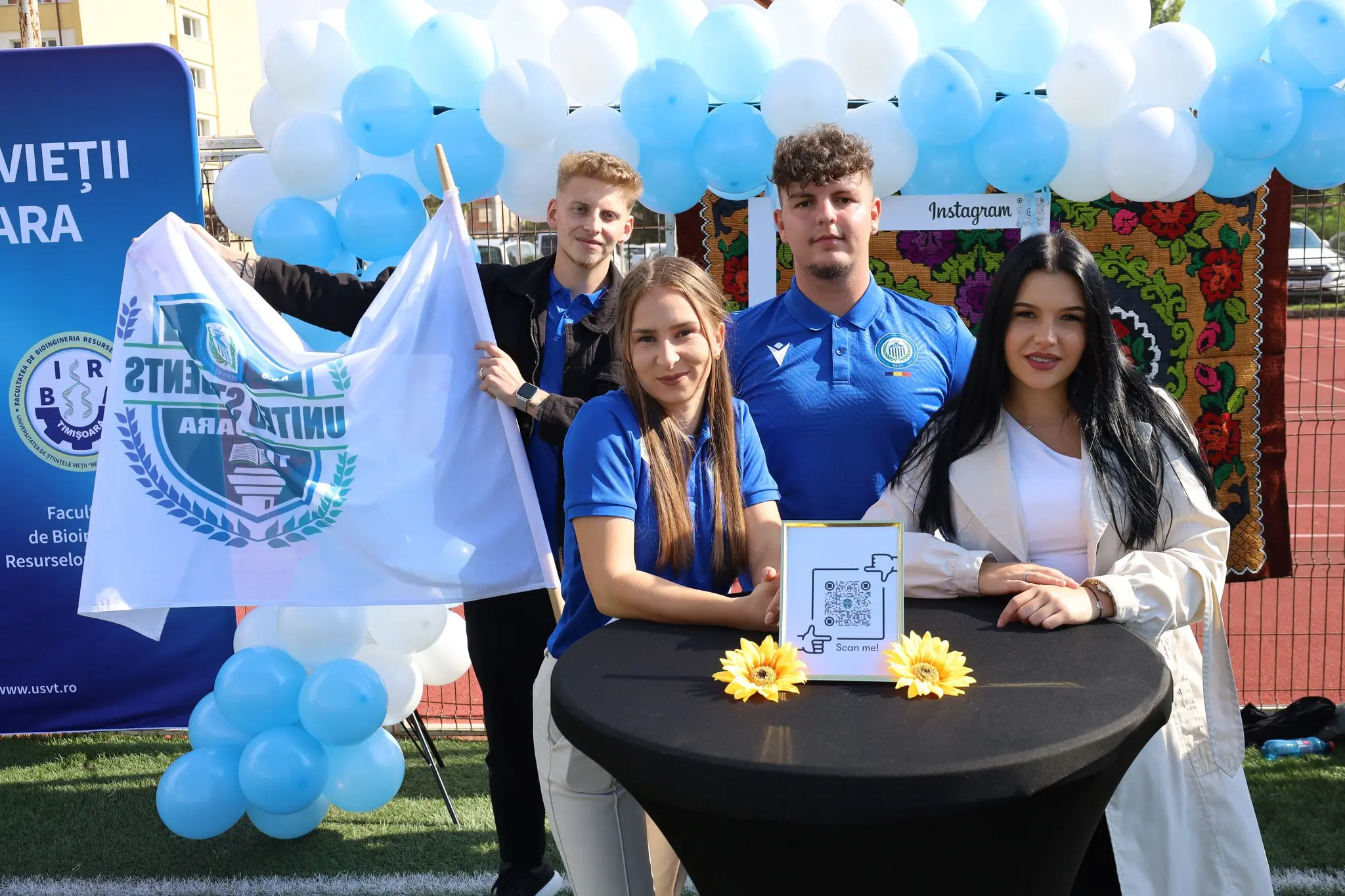
- Active student organisations with cultural, scientific and social events throughout the year
- Integration of international students through Erasmus welcome events and buddy programmes
- Student involvement in real research projects alongside teaching staff from the first year
A truly multicultural campus
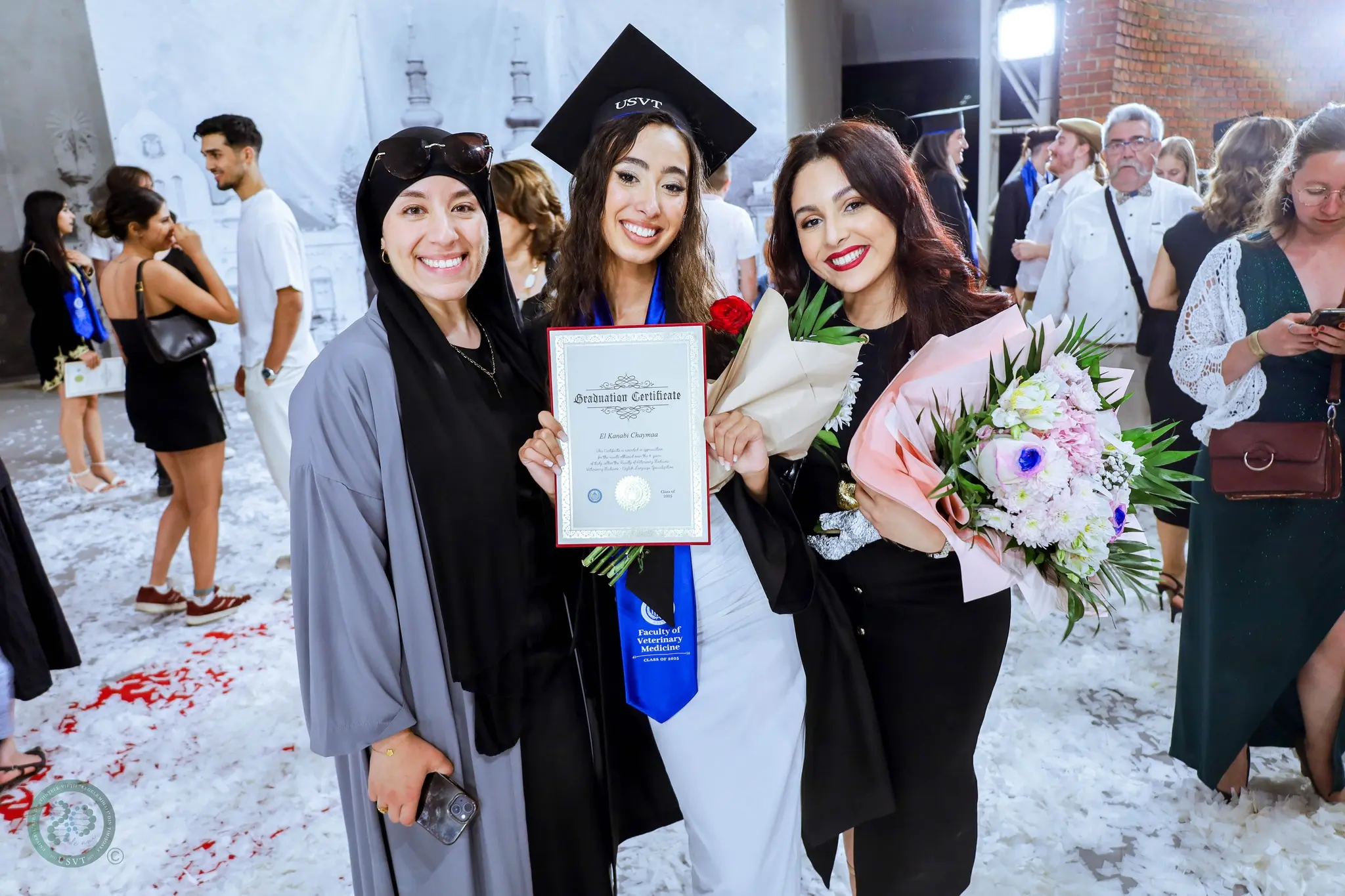
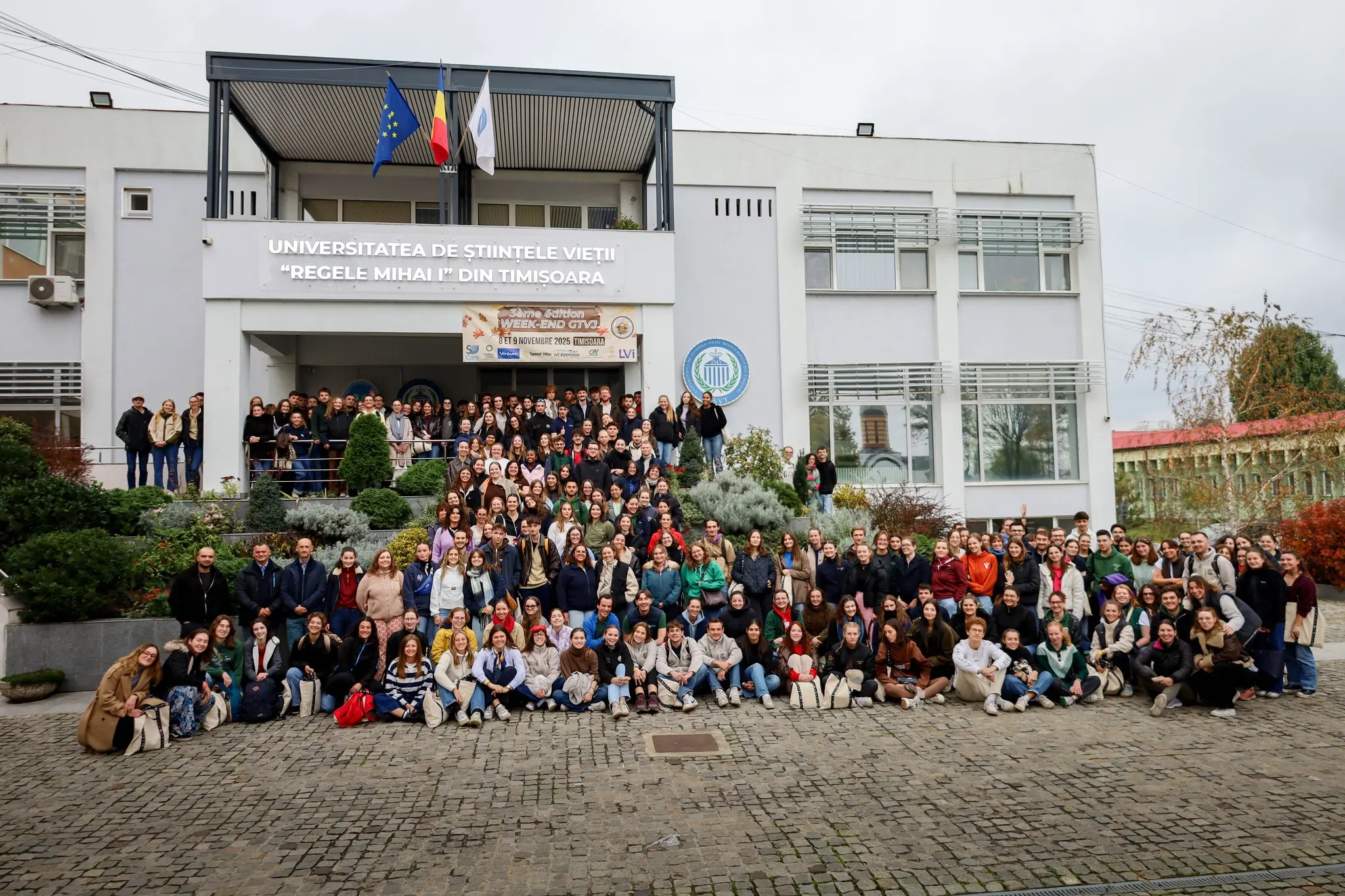
USVT’s trilingual veterinary programme, combined with its active Erasmus network, makes it one of the most internationally diverse campuses in Timișoara’s university system. Students from France, the United Kingdom, Germany, Nigeria, Morocco and other countries study alongside Romanian students in a shared clinical environment. This diversity is an advantage, in professional practice, in research and in everyday life.
Sport and recreation
International connections
Globally ranked.
Connected with the whole world.
USVT’s international accreditations are among the most significant held by any specialised university in Romania. International recognition through EduRank and Times Higher Education Impact places USVT alongside institutions of real global importance in sustainability research and reflects the quality of its research output in Veterinary Science.
Erasmus+ and mobility
- Erasmus+ mobility opportunities available in all EU member states and in over 70 non-EU countries — one of the most extensive Erasmus networks of any Romanian university.
- Both study mobility, full semesters, and practical training placements in professional and research environments abroad are available and financially supported.
- Incoming Erasmus students are welcomed every semester, especially for Veterinary Medicine programmes taught in English and French.
Foreign language programmes
- Veterinary Medicine available in Romanian, English and French, the only programme of this type in western Romania.
- A significant proportion of international students in the veterinary faculty, creating a truly multilingual learning environment.
- Academic exchanges and research collaborations with veterinary faculties across Europe and beyond
Internationally validated performance
Choosing USVT means joining a community whose excellence is recognised on the world map, not only in a catalogue. It is recognised by Times Higher Education Impact Rankings for goals that matter: Zero Hunger and the protection of Life on Land. Here, you learn to become someone who provides solutions for the planet’s food and climate crises. At national level, the Ministry of Education Metaranking places us consistently among the elite advanced research institutions. This means that the professors who guide you are among the best in the country, and the resources you can access are state of the art.
Tuition fees and financial support
Investment in the future of life sciences
USVT offers places funded from the state budget, subsidised places allocated through admission competition, and fee-paying places. The amount of tuition fees must be checked annually with the faculty secretariats, because these are set by Senate decision and vary depending on the specialisation, such as Agriculture, Veterinary Medicine, Horticulture or Management.
Types of scholarships available
Performance and merit scholarships: Reward top academic results and students’ scientific research activity.
Rector’s Scholarship: A special distinction awarded to students with exceptional achievements in promoting the university’s image.
Social scholarships and emergency aid: Monthly or occasional support for students from disadvantaged backgrounds or with health problems.
Scholarships from external sources, private partners: Offered by companies in the agricultural and food sectors, such as Syngenta, Bayer and Smithfield, for high performing students.
Erasmus+ mobility grants: Funding for study and practical training placements in partner farms or international laboratories.
Places funded from the state budget
The state subsidises an important number of places at bachelor’s, master’s and doctoral level. Admission is based on grade ranking, and state funded students may also benefit from accommodation subsidies on the university’s green campus.
Inclusion programmes, First Student in the Family
USVT implements dedicated projects, such as Inclusion through Education, offering financial support and counselling to pupils and students from rural areas or vulnerable groups, facilitating their access to higher education.
Why study here?
USVT offers an applied learning experience, with access to experimental teaching stations and modern veterinary clinics. The degree is internationally recognised, opening access to a global labour market in vital fields such as biotechnology, veterinary medicine and agritourism.